
Cleanse or Charge Crystals
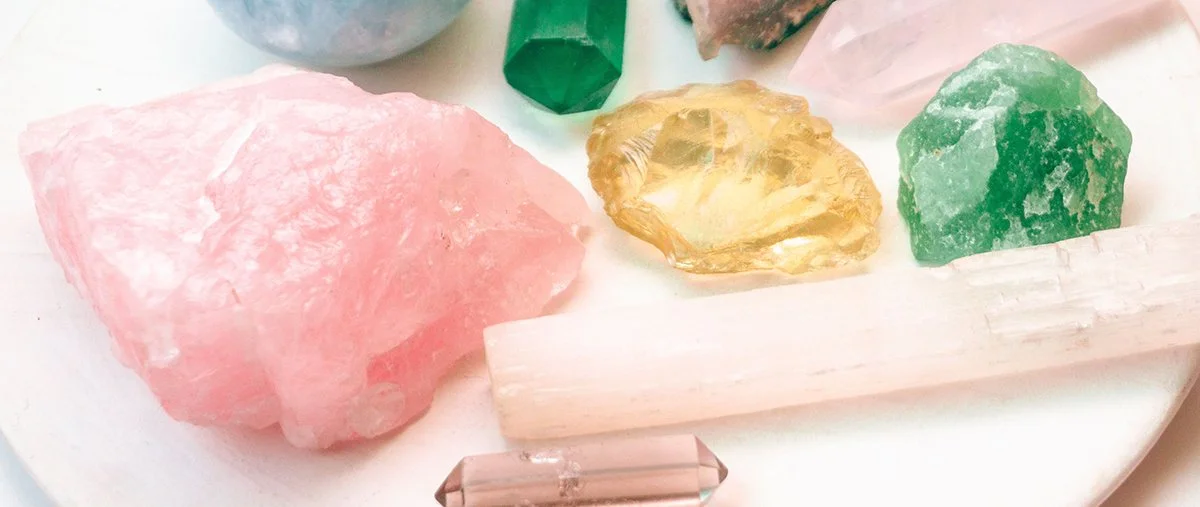
If your crystals feel flat, heavy, or just off, they probably need cleansing. Cleansing clears the energy a stone has picked up so it can hold your intention again. Here is how to do it, how often, and which stones need special handling so you do not damage them.
Why cleanse crystals at all
Crystals interact with the spaces and people around them. When you wear a stone through a stressful week, set one on your desk during hard conversations, or pass a piece around at a gathering, it absorbs that energy. Cleansing resets it. Think of it as wiping the slate so the crystal can do its actual job instead of carrying everyone else's static.
How often should you cleanse
There is no single rule, but a few reliable triggers:
When a crystal is new to you, before you work with it the first time
After heavy use, a hard day, or any time it feels dull
After someone else handles it
On a regular rhythm if you like one, such as every full moon
If you only remember one, make it the full moon. It is easy to track and it covers most of your collection at once.
Cleansing is not the same as charging
These get mixed up constantly. Cleansing removes what the stone has absorbed. Charging fills it back up with a fresh intention or energy source. You cleanse first, then charge. Moonlight happens to do both at once, which is part of why it is so popular.
9 ways to cleanse crystals
Start with the methods that are safe for every stone. The last three need a little care.
Safe for all crystals
1. Moonlight. Set your stones out overnight, ideally under a full moon. This cleanses and charges in one step and will never harm a stone. A windowsill works fine if you cannot put them outside.
2. Sound. Ring a bell, play a singing bowl, or strike a tuning fork near your crystals. The vibration moves stuck energy. Good for cleansing a whole shelf at once without touching anything.
3. Smoke. Pass the stone through smoke from dried herbs or incense. Rosemary, cedar, mugwort, and lavender all work well and are easy to source responsibly. (If you reach for white sage, please buy from Indigenous-owned sellers, since it is over-harvested.)
4. Selenite or clear quartz. Lay your stones on a selenite slab or next to a clear quartz cluster. Both clear other crystals through contact. A selenite charging plate is the lowest-effort method there is. Just remember selenite itself dislikes water.
5. Breath and intention. Hold the stone, set a clear intention to clear it, and exhale across it with focus. This costs nothing and travels anywhere. It leans on your own energy, so it works best once your practice is steady.
6. Earth. Bury the stone in soil or a pot of dirt for a few hours to a day. The earth draws off heavy energy. Mark the spot so you do not lose anything, and skip this one for water-sensitive stones.
Use with caution
7. Salt. Lay the stone on a bed of dry salt, not touching, for a few hours, then discard the salt. Effective, but salt scratches softer stones and pits polished surfaces. Do not use it on porous or soft pieces, and never soak a stone in salt water unless you are certain it can handle it.
8. Running water. Hold the stone under a natural stream or cool tap water and picture the energy rinsing away. This only works for water-safe stones, mostly the quartz family. Dry it fully afterward.
9. Sunlight. Brief morning sun cleanses well, but extended sun fades colored stones. Limit it to an hour or so and keep light-sensitive stones out of it entirely.
Crystals that should never get wet or sit in salt
Water and salt will damage or even dissolve certain stones. Some also become unsafe when wet. Keep these away from both:
Selenite and satin spar (dissolves)
Halite (dissolves)
Calcite (degrades)
Malachite (releases copper and becomes toxic when wet)
Pyrite and hematite (rust)
Angelite and celestite
Kyanite, lepidolite, and other soft or fibrous stones
Turquoise and opal (porous, discolor)
Fluorite (soft, prolonged water dulls it)
A quick rule: if a stone is softer than quartz or has a flaky, fibrous, or porous texture, keep it dry and use moonlight, sound, smoke, or selenite instead.
Crystals that fade in sunlight
Limit or skip the sun for amethyst, rose quartz, citrine, fluorite, kunzite, celestite, smoky quartz, aquamarine, and opal. Their color is the casualty.
How to tell a crystal is cleansed
You will mostly feel it. A cleansed stone feels lighter, brighter, and clearer in your hand than it did before. If it still feels heavy or sticky, run it through one more pass. Trust your read here. Noticing the shift is a skill that sharpens the more you practice.
A simple routine you will actually keep
Pick one low-effort method as your default and one deeper method for the occasional reset.
Keep a selenite plate where you store your crystals so everyday cleansing happens passively.
Set everything out on the full moon once a month for a full cleanse and charge.
Spot-cleanse with sound or smoke after any stone has a rough day.
That covers a working collection without turning into a chore.
New to building your collection, or want stones already cleansed and ready to work with? [Browse the crystal shop.] Curious what your stones are picking up on? [Book a reading] and we will look at what is actually moving in your life right now.