
What Are Your Favorite Lenoramand Spreads?
If you have spent any time with Lenormand, you already know it reads differently than tarot. The cards are blunt. One card rarely tells you much on its own. Put two or three together and the picture sharpens fast. That is exactly why the spread you choose matters so much.
We wanted to share some of the spreads our collective of readers use and giving you an idea what they are good for. If you are newer to the system, start at the top and work down to the more complex groups.
The Two-Card Draw
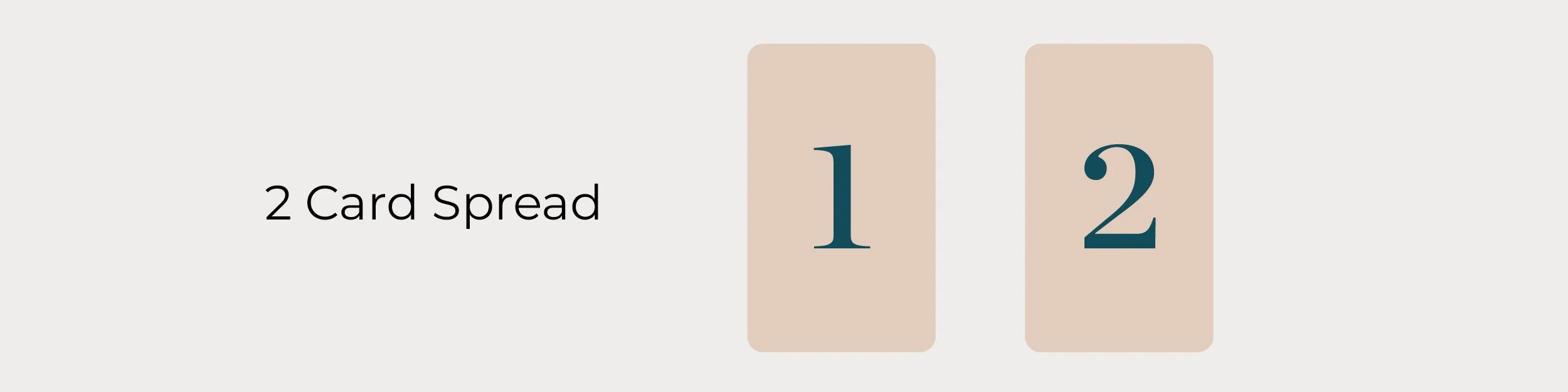
This is where every beginner should start and we honestly do this pull for daily meditations for a fast read of the day. You pull two cards and read them as a pair. The first card is usually the subject or the situation. The second card describes or modifies it in some way.
Think of it like a noun and an adjective. Fox + Heart reads differently than Heart + Fox. Order matters. The first card sets the topic and gives it color. For Fox + Heart, this combination can point to a relationship that needs a strategic plan. Or Heart + Fox would lean towards feelings are getting tangled up and maybe you should be cautious.
Reach for the two-card draw when you want a quick read on a single thing. A daily pull, or a yes-or-no leaning if you don’t use pendulums, or a gut check before a decision. It trains your eye to read combinations which is the whole skill in Lenormand.
The Three-Card Draw
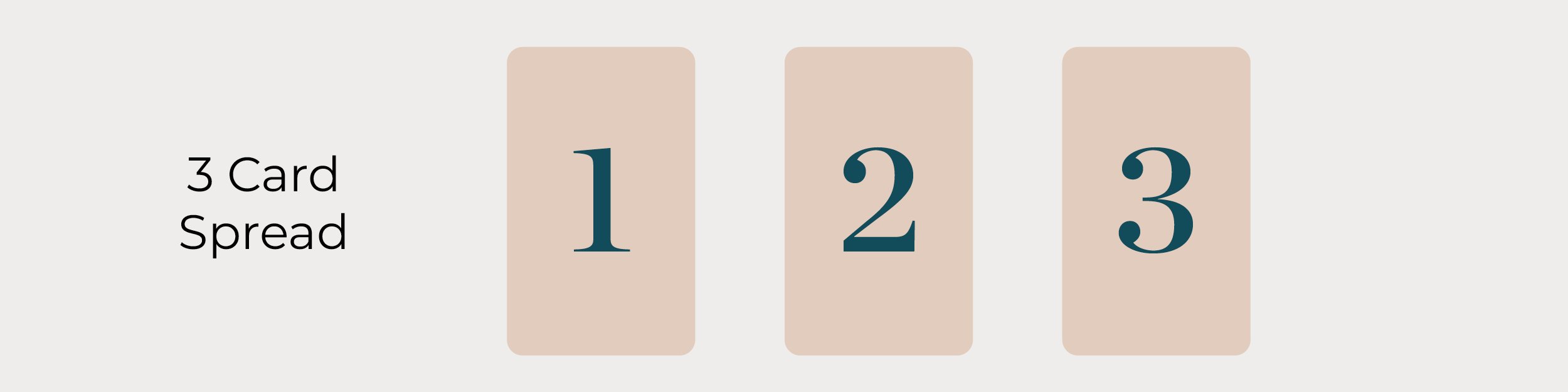
Ok, when you have the two-card draw, you are simple adding a card to create a short sentence. Three cards read left to right and the middle card usually carries the most weight.
We use the three card spread for similar readings like past, present, and where it is heading. Honestly, the structure is flexible which is a double-edge sword. If you want to determine your structure, decide what each position means to you before you pull or you will talk yourself into whatever you were hoping to see.
Read the three as one continuous statement first, then go back and look at the pairs inside it. Take the approach of doing the two card combinations. Start with the first and second card, then go to second and third card. For a complete picture, pair the first and third card. The center card touches both neighbors, so it is the anchor of the whole line.
The Five-Card Spread
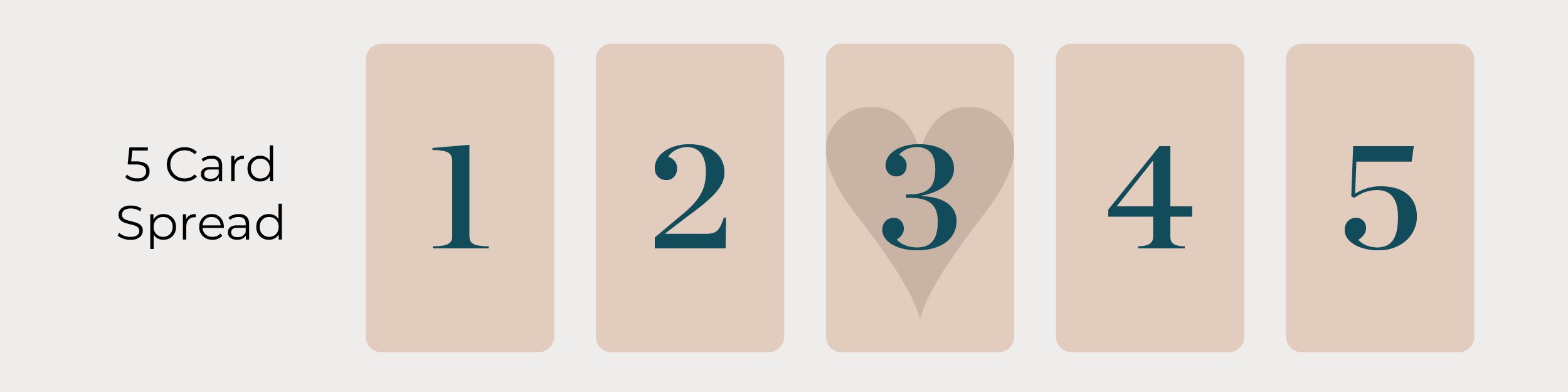
Same logic as the three-card spread with more information. Five cards read across, with the center card as the heart of the matter and the cards to the right and left are adding context.
This is our go-to for a real question that deserves more than a glance but does not need the full spread. Should I agree to this solution? How is this friendship actually going? What is underneath what I’m avoiding? Just remember, the center card is the core truth. Cards to the left often read as background or what led here. Cards to the right lean toward where it is going.
The five-card spread is where mirroring gets interesting. Look at the pair on the far ends, then the pair just inside them, working toward the center. Sometimes the outer cards frame the whole story before you even get to the middle.
The Box Spread (Nine Cards)
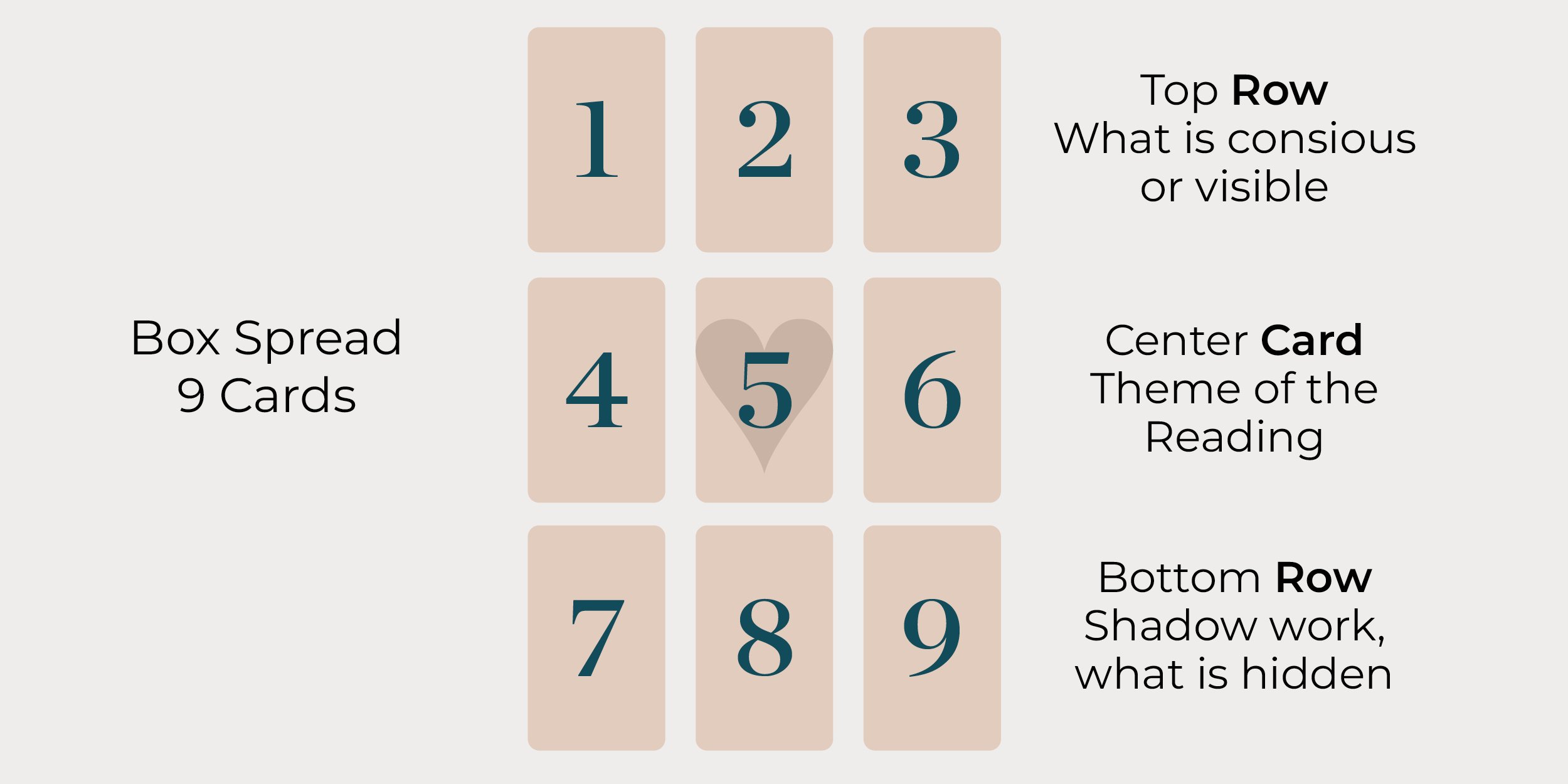
Now that you have simple and complex sentences down, we are building paragraphs. The nine-card box is a three-by-three grid and is great for a situation that is complicated and needs several angles.
The center card is the theme - the thing the whole reading orbits and then you read the combinations in every direction starting from the center card. The top row often speaks to what is conscious or visible. The bottom row to what is shadow work. (You know, the stuff that is hidden and not said aloud.) Columns, diagonals, the corners, all of it carries meaning. The card directly above the center, the one below, the ones touching it on each side, they all describe the central card the way a cluster of friends describes a person.
Honestly, the box can be overwhelming if you try to read every single line at once. To get started go to the center card and then read the cross (the four cards directly touching it). Then move to the diagonals. Step back and let the whole grid speak. Do not force it.
This is a spread to grow into. If you are still getting comfortable with pairs, the box will feel like a lot. That is fine. It will be waiting when you are ready.
A Few Things That Apply to Every Spread
Always read the cards as combinations. Lenormand meaning lives in the relationships between cards, not in any single image. A card you think of as difficult can soften beside the right neighbor.
Start small and let it build. Pairs teach you the language. Everything larger is just longer sentences in the same language. There is no rush to the Grand Tableau, and plenty of rich reading happens with two cards and a clear question.
If you are just getting started, pull two cards tomorrow morning and read them as a pair. Do it for a week. You will be surprised how quickly the cards start talking.